
For those who want a change from the Gospel
Last after Trinity – Leviticus 19:1-2, 15-18 (Related)
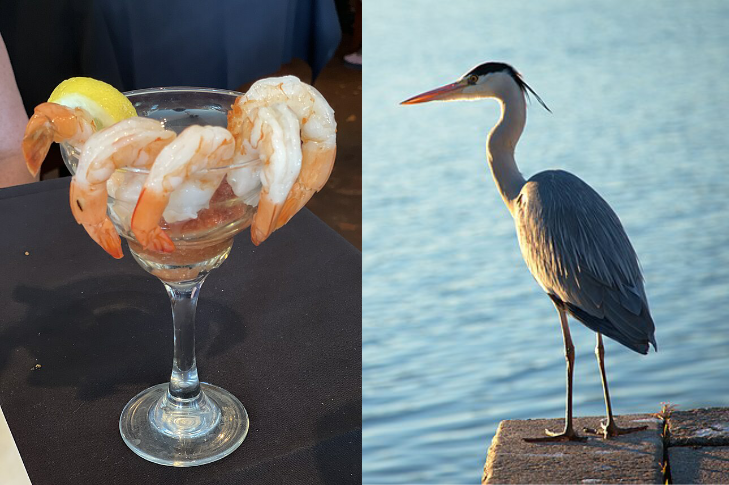
The section of the book of Leviticus from which our passage comes is often called the ‘Holiness Code’ (Lev 17-27). These chapters spell out how, and why, Israelites should live differently from the nations around them. The whole of chapter 19 seems like a hotch-potch of odd laws, from which we pick and choose which ones we fancy obeying nowadays. So most Christians would probably agree that deliberately making blind people trip over (v.14) is probably not good behaviour, yet we blithely wear poly-cotton clothing (v.19), we almost certainly do not grow side-mullets (v.27), but we’re happy to plant different crops in our vegetable patches (v.19). And going further afield in Leviticus, most of us are happy to eat prawns, even if we draw the line at herons (Lev 11:12, 19). And don’t even go near the sexual restrictions in chapter 18, most of which we would still uphold today whilst we are busy legislating to ignore others. The whole book, in fact presents us with some hermeneutical conundrums: how exactly are we supposed to interpret and obey such regulations?
A literalist approach would say that we are still bound by all these laws as written, but few Christians subscribe to that view. The opposite extreme is to say that now that we have Jesus none of this, or indeed any of the OT applies any more. But surely we’d still want to uphold justice and integrity in our dealings with others? The NT does give us some precedent for ignoring some of the OT regulations now that we are no longer living under the Law, but in the grace of Christ. But is there a deeper and more sensible way of reading Leviticus, and in particular the sections on holiness?
It’s always a good principle when seeking to interpret Scripture to try to understand what the text is really saying. Is there a guiding principle by which we might understand the rest? The key to our chapter comes at its start: God’s people are to be holy, just as he is holy. God is not like us. He is what the theologians describe as ‘transcendent’, way over, above and apart from his creation. We who are made in his image reflect him, but we are not perfectly like him, as a photo of the sunsets I enjoyed last week in Turkey can never capture on my phone the full beauty of what we actually saw and felt. Therefore, in the light of that, we are to grow more and more to reflect God’s image in us, and we do this partly because he has given us the potential, but also by our own refusal to act in ways which run counter to that holiness. So it is easy to see how showing favouritism or seeking bloody revenge are by that definition unholy, and few would have any argument with those moral kind of principles. Those, interestingly, are the bits of the chapter not filleted out by the lectionary. But the problems come when we see, on the same page, other rules which we find it hard to equate to holiness, such as our hairstyles or farming techniques.
Perhaps the answer, or at least a way forward, is to read this chapter through the lens of difference. Look at the world around you. You won’t have to look far to see people who cheat, lie, hate foreigners or practice the occult. What would it mean for you to I’ve differently from people like these, rather reflecting the holiness of God? What would it mean for the Jewish community to live differently, and be recognised to be doing so? Maybe then the other portions which seem less moral are rather badges or signs of difference. Go to any multicultural part of a British city and you’ll easily recognise people of different faiths by the way they look and dress. Christians are not commanded to look particularly distinctive in terms of hairstyles or uniforms, but maybe the whole point is that it is our behaviour which should make us recognisable and distinctive. In today’s Gospel Jesus is asked what the most important commandment is, and his answer reflects morality rather than physical appearance. The old song says that people will know we are Christians by our love: maybe today’s readings say that they should know we are Christians by our holiness, our difference from the world around us.
 revjohnleachblog