
For those who want a change from the Gospel
Trinity 16 – Jonah 3:10 – 4:11 (Related)

There is an understanding of prayer which you’ve probably come across. It says that intercession is not about trying to change God’s mind, but rather that through the act of praying we change our own minds and agree with what he wanted to do all along. So to caricature slightly (although not that much) I might set out praying for healing, but as a result of praying I become happy about being ill. You know the sort of thing. This raises an important question, which today’s passage helps us to answer: Can we change God’s mind?
I can remember a local Pentecostal church near where I grew up which had emblazoned across the front wall of the worship area the text ‘Jesus Christ, the same yesterday, today and forever’. So does that verse teach us not to bother to try to talk God into answering prayers? Jonah would say not (had Philippians been written then). Our passage begins with the perhaps startling news that God had relented from delivering the punishment he had intended on the evil Assyrians (and by any standards they were evil). And in fact when you think through the OT, this happens again and again. Perhaps the classic example is Abraham’s intercession for the wicked cities in Genesis 18. God’s promises are usually conditional, and he does indeed respond when we respond. The people repent, and God relents. We see it again and again. Even the angry Jonah understands that God is slow to anger and relents from sending calamity (4.2). He doesn’t like it, but he does understand it.
There are a couple of points worth making, however. The first is that God does not change arbitrarily. He is not fickle, like many pagan deities, so that we have no idea what he is likely to do from one moment to the next. God always acts in line with his character, that fine balance between love and righteousness. Although he does at times withdraw his blessing, it is far more common for him to withdraw his punishment. And when he does so, it is because humans have responded to him in penitence. God does change, but he does so in some predictable ways.
Secondly, the change here is in the direction of mercy. This is what Jonah struggles with so much. If you were caught by Assyrians you were likely to have a hook put up through the soft bit under your chin and into your mouth, and you’d be led away to be skinned alive and impaled on a stake. They weren’t nice people. Maybe you know people whom you believe ought to be beyond God’s mercy. Vladimir Putin might fall into that category for many … and let’s leave it there. But something in us cries out for God’s wrath to be poured out on cruel people like that. I can remember hearing a preacher comparing some great villain or other to St Paul: if God could so dramatically turn him around, he could do so for anyone. So we ought to be praying for whoever it was, not calling down God’s judgement on them. God challenges Jonah’s sense of perspective by drawing his attention to the fact that he cares more about a plant then he does about a whole nation heading for destruction.
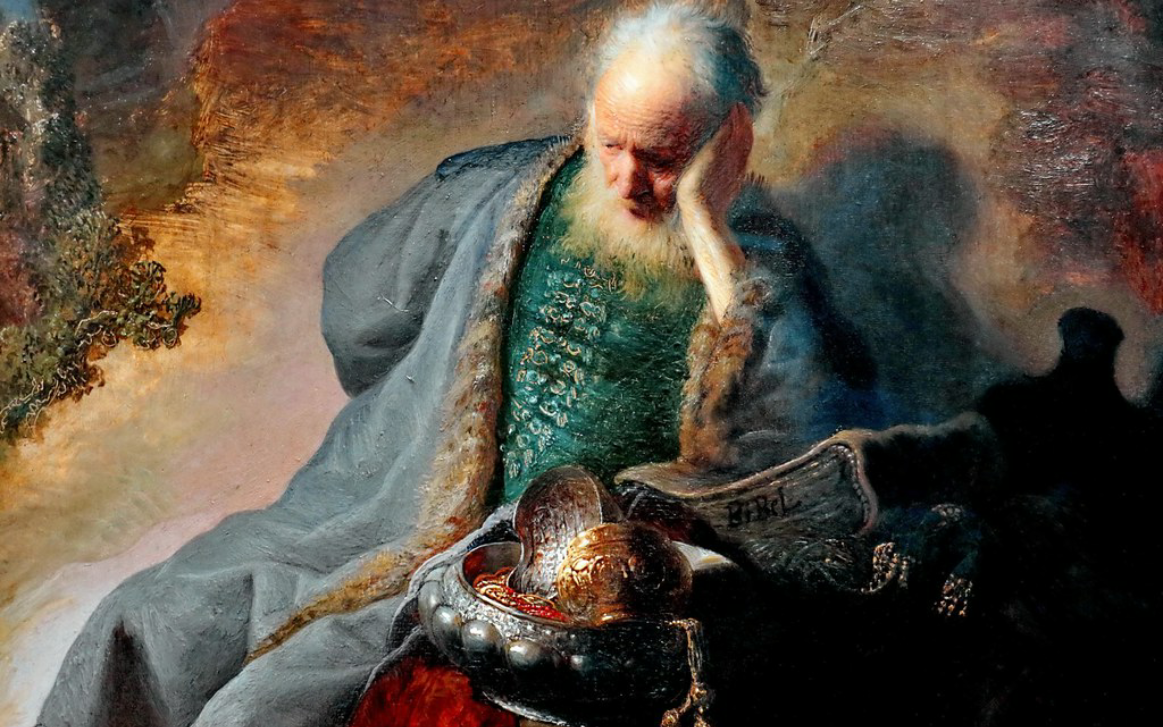
The book of Jonah is actually full of humour and irony, but the most ironic thing is how the prophet is revealed to be so unlike the God in whose name he speaks. God is slow to anger: Jonah has a nasty tantrum like a two year old. God is gracious and compassionate: Jonah is angry enough to die at the thought of the Assyrians repenting. God relents, but Jonah keeps a tight grip on his anger, even when challenged twice about it by God. So we have here a story of a God who does change in response to human penitence but a follower of God who does not, the exact opposite of the rhetoric about prayer with which we began. Personally I have more faith in human ability to change God’s mind than I do in humans managing to change themselves. And I pray that my thoughts and action will come over more like a merciful God than a vindictive human.







 revjohnleachblog